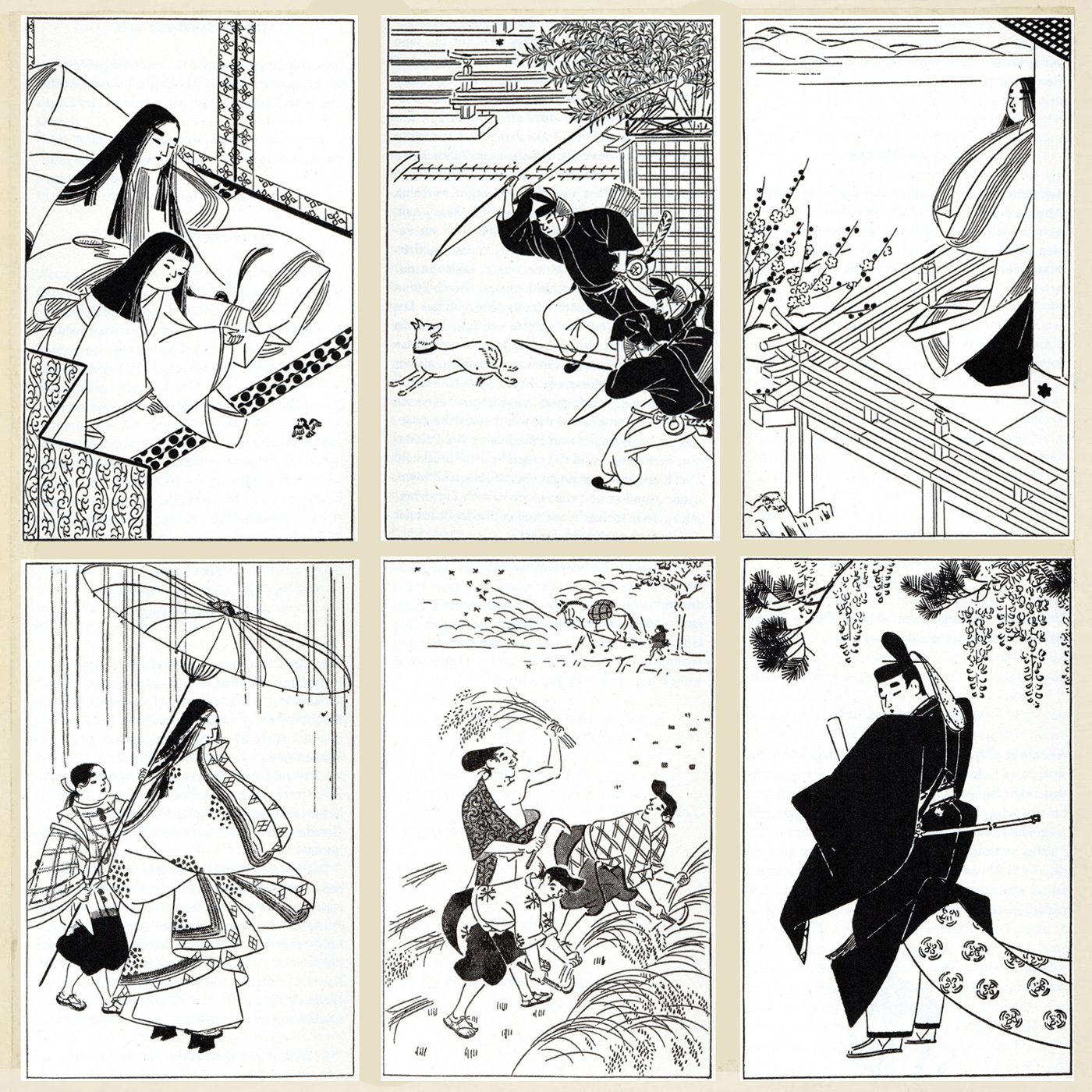
A classic of Japanese literature
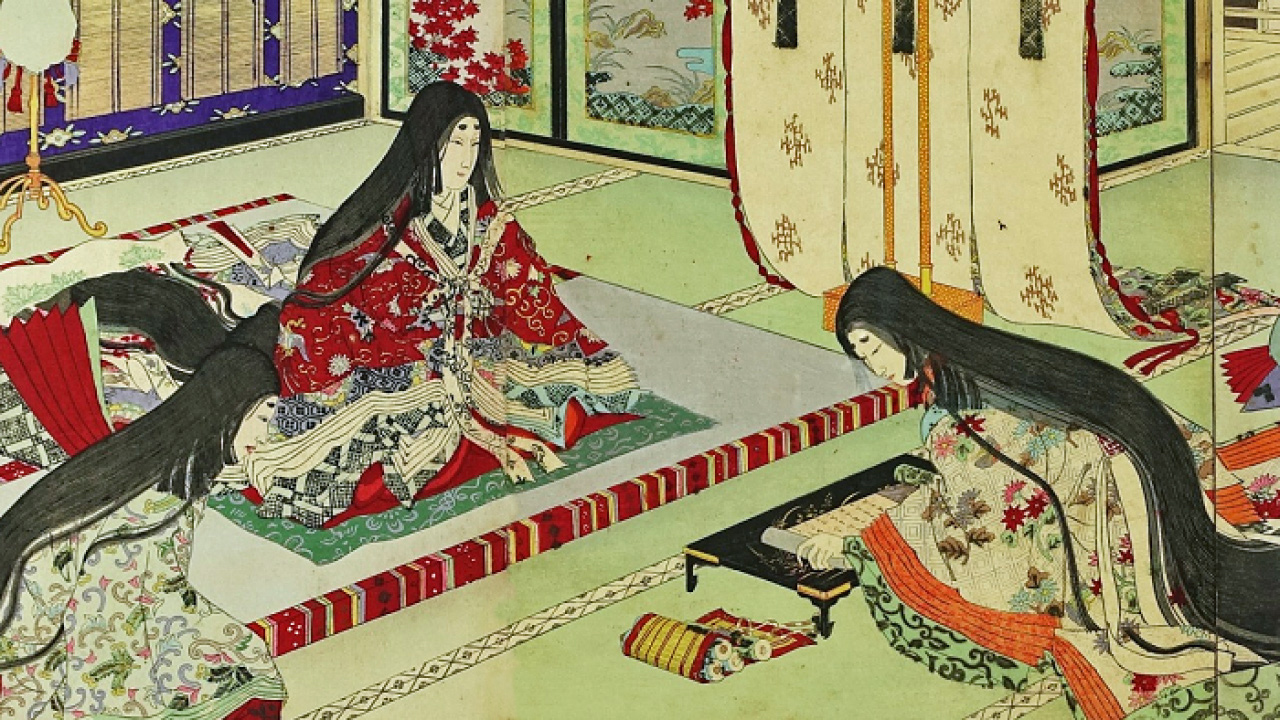
Sei Shōnagon (清少納言, 966–1025) was a lady-in-waiting at the Japanese imperial court during the Heian period. From 1001 to 1010 AD, she kept a special diary. She hid her notes under her pillow, hence the title “makura no sōshi” (枕草紙, Pillow Book*). It is considered a classic of Japanese literature.
In her writings, she describes, with insight and candour, seemingly trivial details, her own and others' experiences, everyday stories and gossip from the imperial court. These descriptions contribute greatly to our understanding of the courtly culture of the time.
Heian period
The Heian period (平安時代, Heian-jidai) is a period in Japanese history that lasted from 794 to 1185 AD.
It began with the transfer of the imperial court to Heian Palace (Daidairi) in Heian-kyō, present-day Kyoto.
At the Heian court, Japanese culture, art and customs were refined to an extraordinary level. The Heian period is considered the classical period of Japanese literature, which was particularly cultivated by court ladies. Examples of so-called court lady literature include The Tale of Genji by the court lady Murasaki Shikibu and The Pillow Book by the court lady Sei Shōnagon.
Since Chinese script was the only way to write, and learning it was considered inappropriate for women, court literature of the Heian period also led to the development of a new syllabic script, which was later standardised as Hiragana.
While court culture flourished, the emperor's power steadily declined. The most powerful clan in the country was the Fujiwara family. Through astute marriage alliances, they accumulated influence. Their daughters were married to emperors, and the Fujiwara ruled as regents for their underage offspring.
"In the late Heian period, the court nobility did not concern themselves with politics or the administration of the country. They spent their time composing poetry, playing games, studying, learning all the arts, participating in religious ceremonies, and indulging in love affairs. They indulged in every pleasure of life to the fullest, but in such a way that they never crossed the boundaries of good taste." (from Mamoru Watanabe, 1952)
An excessive supply of paper
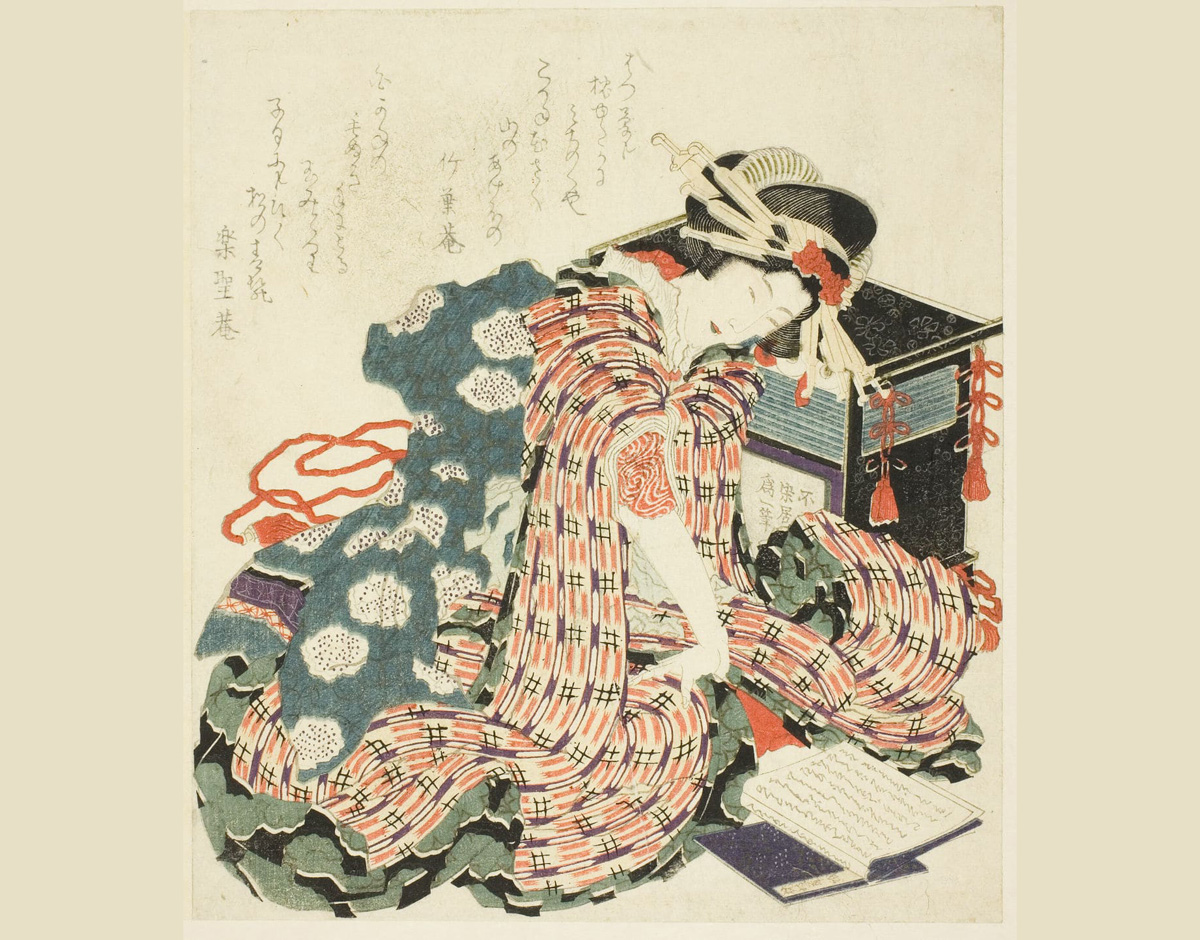
Sei Shōnagon was a companion in the Empress's inner circle. One day, the Empress found herself with an abundance of writing paper. Shōnagon offered to use it to keep a kind of diary.
The Pillow Book, in its revised form, contains 317 notes, often called chapters, which were subsequently ordered and numbered.
There are very short notes, consisting of just a few words, and other very long ones, recounting events at court.
The Pillow Book was not originally a book, but a collection of sheets of paper.
With her writing style, Sei Shōnagon founded the so-called Zuihitsu literature (随筆文学, zuihitsu bungaku), also known as “wherever the brush leads”.
Discovery of the notes
Sei Shōnagon writes:
"I wrote these notes solely for myself, to find comfort in recording my feelings, and I never thought they would be considered great works and attract public attention, so I am surprised when I hear people say, 'It is a masterpiece'.
My admirers must belong, I am sure, to that kind of people who praise what others despise and despise what others admire. But what distresses me most, ultimately, is the very fact that these notes of mine have been discovered.
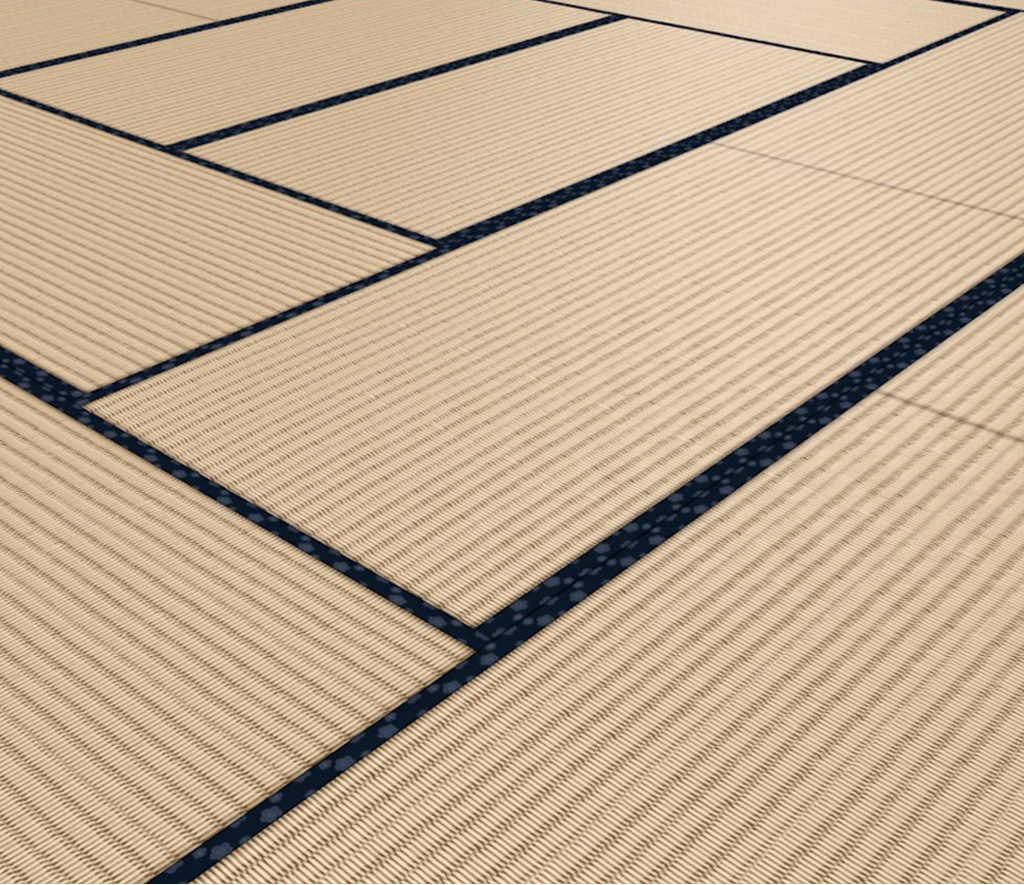
The left-wing lieutenant Tsunefusa was responsible for this when he was still governor of Ise. They fell out of a tatami mat that I was handing him on the terrace, and the lieutenant picked them up, ahead of me, and refused to give them back to me. They were only returned to me after a long time. And from then on, they began to be disseminated.
A small selection from the brief notes
26. Things that tire you out
Purification rituals.
Making preparations to go far away.
Staying in a temple for a few days.
31. Pleasant things
A painting of a woman accompanied by a long and interesting story.
The return from a trip, all crammed into a carriage, while the young servants, also numerous, skilfully urge the oxen on, making them run.
Being able to write a letter in fine, delicate Chinese paper with thin characters, despite the large brush.
48. Young men with weapons
Young men are magnificent when, by virtue of their rank, they can go out fully armed.
A son of nobles, even if he is handsome and interesting, instantly loses all his charm if he has no weapons.
57. Disgusting behaviour
A young man of high birth who pronounces the name of a woman of lower status with ill-concealed confidence is truly hateful. He should be more cunning and pretend, while remembering it very well, that he has forgotten it. ...
66. Plants
Among herbaceous plants, the most beautiful are irises, rushes and pink marsh mallows. The latter is the most precious because, in addition to being beautiful, its flowers and stems have been used since ancient times to adorn hair on festive days. Sagittaria has a curious name; one might say it puts on airs.
72. The cawing of crows
It is curious how the cawing of crows, which is so hateful to us during the day, is pleasant at night, when they glide in pairs through the trees, flitting from branch to branch, singing with sleepy voices.
89. Refined details
A slender and graceful young nobleman wearing court dress.
A pretty girl, not wearing a hakama, who has deliberately left the two flaps of her summer surcoat open, along which hang the uzuchi (little sticks) and the precious medicinal ball, and stands by the balustrade of the terrace, hiding her face with her fan.
A book bound in fine rice paper. A letter written on sky-blue rice paper and tied with freshly budded utsugi twigs.
Fans with the first and last ribs made of three overlapping strips of cypress wood.
134. Night-time conversations
... A lady: ‘The name Hakama is really dull, and so is the name Sashinuki (large hakama). They should rather be called Leg Clothes or simply Sackcloth.’ I interrupted her: "What a boring topic! Let's stop arguing and go to sleep instead." ...
157. People who suffer
The nanny of a child who has a habit of crying during the night.
A man who has two lovers, both of whom are jealous.
An exorcist who has to fight a particularly terrifying spirit.
A woman who is deeply loved by a man who is extremely suspicious by nature.
166. Things that should be close but seem far away
The celebrations in front of the Empress's palace.
Blood ties with siblings and parents, not cemented by affection.
The ascent of Mount Kurama, called the Ninety-Nine Bends.
The interval between the thirty-first day of the twelfth month and the first day of the year.
167. Things that should be close but are actually far away.
Paradise.
Sea voyages.
Human relationships.
218. The flute
The flute is wonderful. It is fascinating to hear the notes getting closer and closer when you listen to it from afar, while when you listen to it up close, it is pleasant to hear the sound recede until it fades into increasingly ethereal notes. A flute can be comfortably hidden in the folds of your neckline, whether you are travelling by carriage, following on foot or riding a horse.
265. Situations that inspire confidence
Hearing sutras recited by a large choir of bonzes when you are ill.
Being comforted by a sincere lover when you feel depressed.
276. Things that bring happiness
Reading the first volume of a novel we didn't know and then managing to find the eagerly awaited second volume.
Sometimes, however, when we finish reading, we have to admit our disappointment.
305. A curious episode
An officer of the western gate guards had a father of humble origins, and perhaps because he was ashamed of him in front of his comrades, he took him with him on a pretext on a trip to the province of Iyo and threw him into the sea.
When the incident became known, people commented: ‘There is nothing more terrible than the human heart!’. And on the fifteenth day of the seventh month, the High Priest Ajari Domei seeing that the officer was making preparations for the Obon memorial service for the dead, recited the following verses to him: ‘Pitiful is the memorial service of this gentleman, who threw his father into the sea.’ It was indeed a curious episode!