Bushido, Samurai etc.
Part V

Japanese culture in the Genroku era

Japanese culture around 1700

In the introduction to his translation of the famous play “Kanadehon Chushingura” (仮名手本忠臣蔵, also known as “The Revenge of the 47 Ronin”), the translator Jukichi Inoue describes the social situation in Japan around 1700. He addresses Western readers in particular.
We thus learn how a Japanese author in 1910 viewed his own country’s recent and more distant past.

10 EARLY YEARS OF THE TOKUGAWA PERIOD

Jukichi Inoue writes:

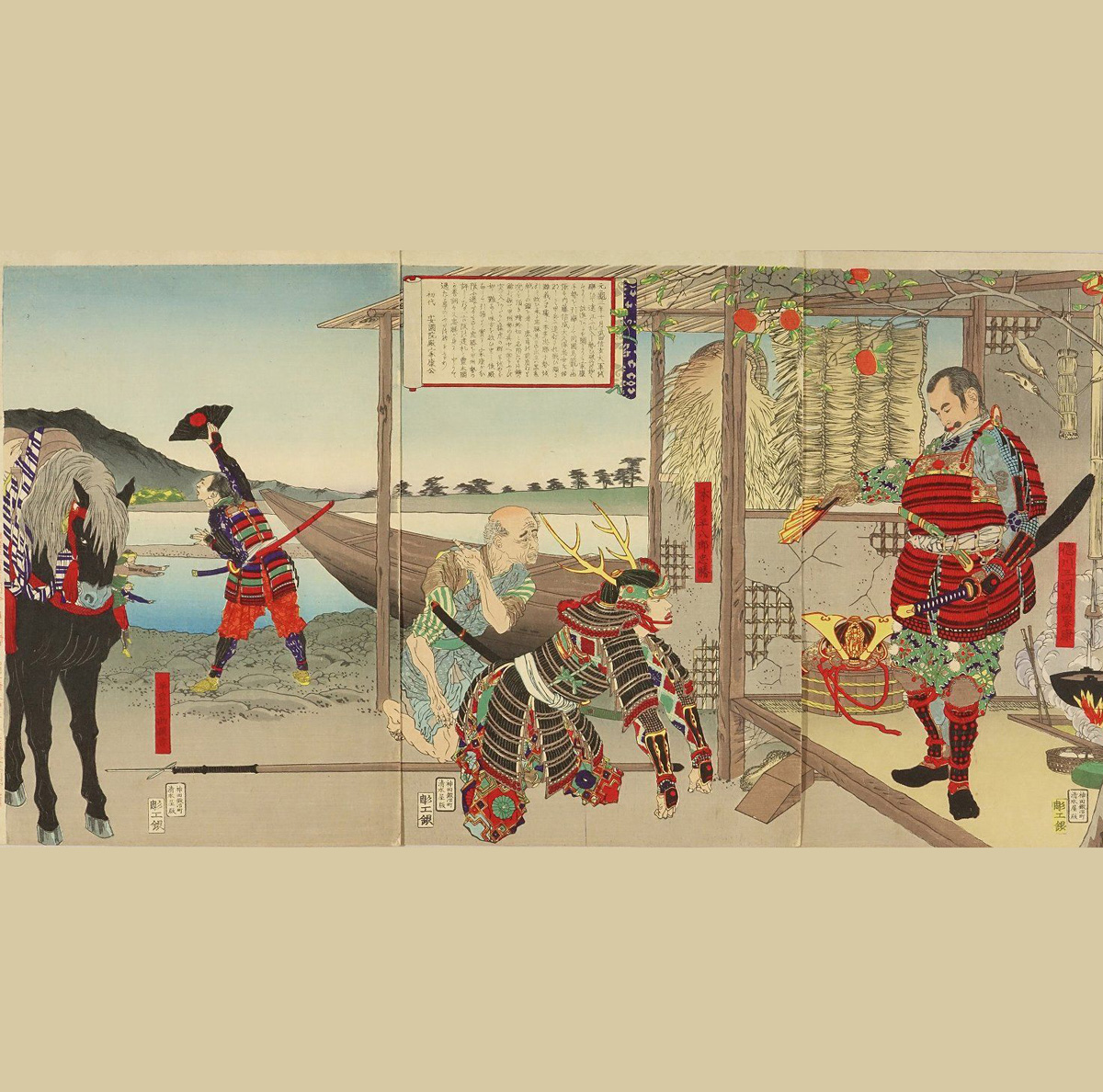
In the early years of the Tokugawa period, the samurai still retained the rough and violent manners of the period of civil wars; they despised gentleness as characteristic of the effeminate people of Kyoto and luxurious living as peculiar to the merchant class, while they trained themselves in military arts and fostered military spirit.
Such was the turbulence of those times that even merchants wore swords when they walked the streets. They had indeed need of them; for innocent men were cut down in the streets at night to try the temper of swords. Servants who were guilty of theft, had failed to accompany their master as he came home on horseback, or eloped with female fellow-servants, were punished at the will of their master, who tested the edge of a new sword upon their necks. The feudal government frequently issued laws to put an end to these violent acts.

11 The Otokodate

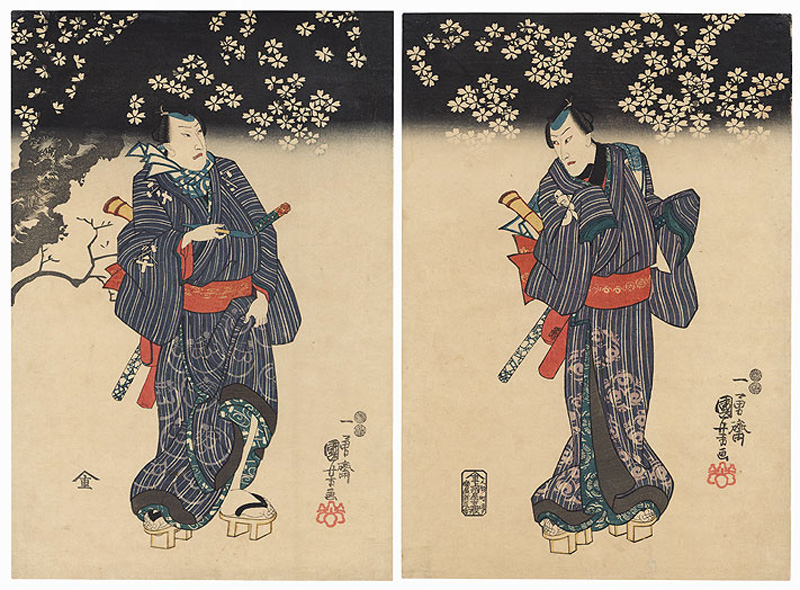
This prevalence of strong military spirit gave rise to a peculiar class of men, known by many names, the most common of which was otokodate (男伊達, men of noble character; dandies). In all classes of society in the beginning of the Tokugawa rule, rough manners and turbulent spirit prevailed; but more especially among the hatamoto, or immediate feudatories of the Shogun, was it the case.
They were samurai of Mikawa, the native province of Tokugawa Iyeyasu, and retained the simple manners and intrepid spirit of their country home; they prided themselves upon the fact that small as their stipends were, they were under the direct command of the Shogun, and in their pride, they lorded it over the streets of Edo.
Among the merchant class were some who were indignant at the arrogance of the samurai and their contemptuous treatment of the merchant and agricultural classes; they also trained themselves in military arts and opposed the tyranny of the military class; and they formed a special class under the name of otokodate.

The manners of the Otokodate

These otokodate mostly lived by gambling; they made it their business to take up other people’s quarrels or to mediate in them; and they spent their lives to a large extent in the pleasure-quarters. Yet their ideal was not inconsistent with the principles of Bushido; for they took pleasure in helping the weak and crushing the strong, they kept their word with the most scrupulous care, and if a mere stranger respectfully begged for their assistance, they would help him even at the risk of their lives. They refused to be beaten in anything by others, a word of insult was enough to draw their sword out of the scabbard, and the least grudge was repaid; they hated to work for profit and thought it undignified to count money. They went to eating-houses and ate their full; and if they had no money, they went away without paying. If they were pressed for payment, they used their fists; but if they were treated with respect and allowed to leave without payment, they came again when they had money and repaid more than their debt.
These otokodate infested every part of the city in the early years of the Tokugawa period and so much damage was caused by their quarrels that they were suppressed in the Genroku era. They were punished with such severity that their number gradually diminished; but their customs did not altogether disappear. Among the ordinary citizens of Edo were many who esteemed the samurai spirit of the first years of Tokugawa and the manners of the otokodate. In what is called the Edo spirit is to be detected much which originated with the otokodate; for the true-born natives of Edo show to this day the same hatred of being beaten by others, love of quarrel, contempt for skin-flints, and inability to keep the day’s earnings until the next day. Amakawaya Gihei, in the tenth act of the Chushingura, is a good sample of a chivalrous-spirited merchant after the manner of the otokodate.

... to be continued.